Masters & Slaves Performance 2017 – ‘Her Name Was’

Each year, Smallroom Writers Collective hosts a night in partnership with Griffith’s Friends of the Library, themed ‘Masters and Slaves’. The theme calls for you to pick a great literary master or mistress, and write something about them. It could be satire, homage, takedown, or any other number of creative interpretations you could think of. The pieces often take on a sort of questioning route – an exploration into the writer’s own complicated, nuanced relationship to their interpretation of a master’s work.

In 2017, I wrote a poem called ‘Her Name Was’ for the Masters and Slaves auditions. The poem was specifically a response to the famous Mrs Dalloway (1925) by Virginia Woolf – a literary masterpiece. Woolf uses a flow of consciousness style of writing, drawing the reader into a typical day in the life of Clarissa Dalloway, a well-to-do housewife in London.
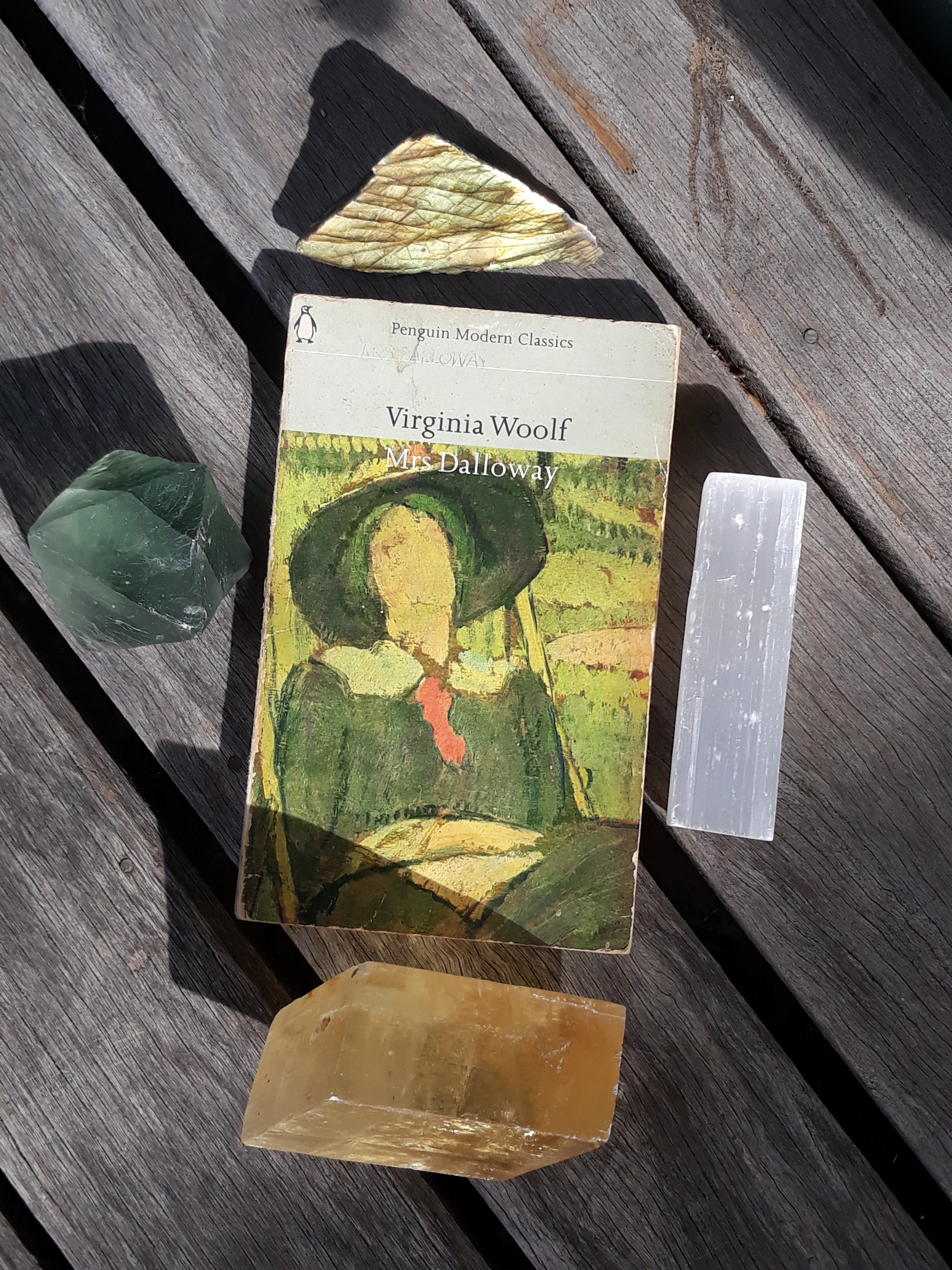
Woolf’s story flows in an organic, alive, disjointed way – immersing you in trains of thought, then jolting you back to the past via memory, or into another character or another layer of a day rich with imagery, saturated in emotion and meaning. Her writing style is like an alternative to the hard, patriarchal lines dominant at the time. She embodies the feminine, the intuitive, a realistic flow of thoughts and feelings beyond an ordered, literary construction of them.
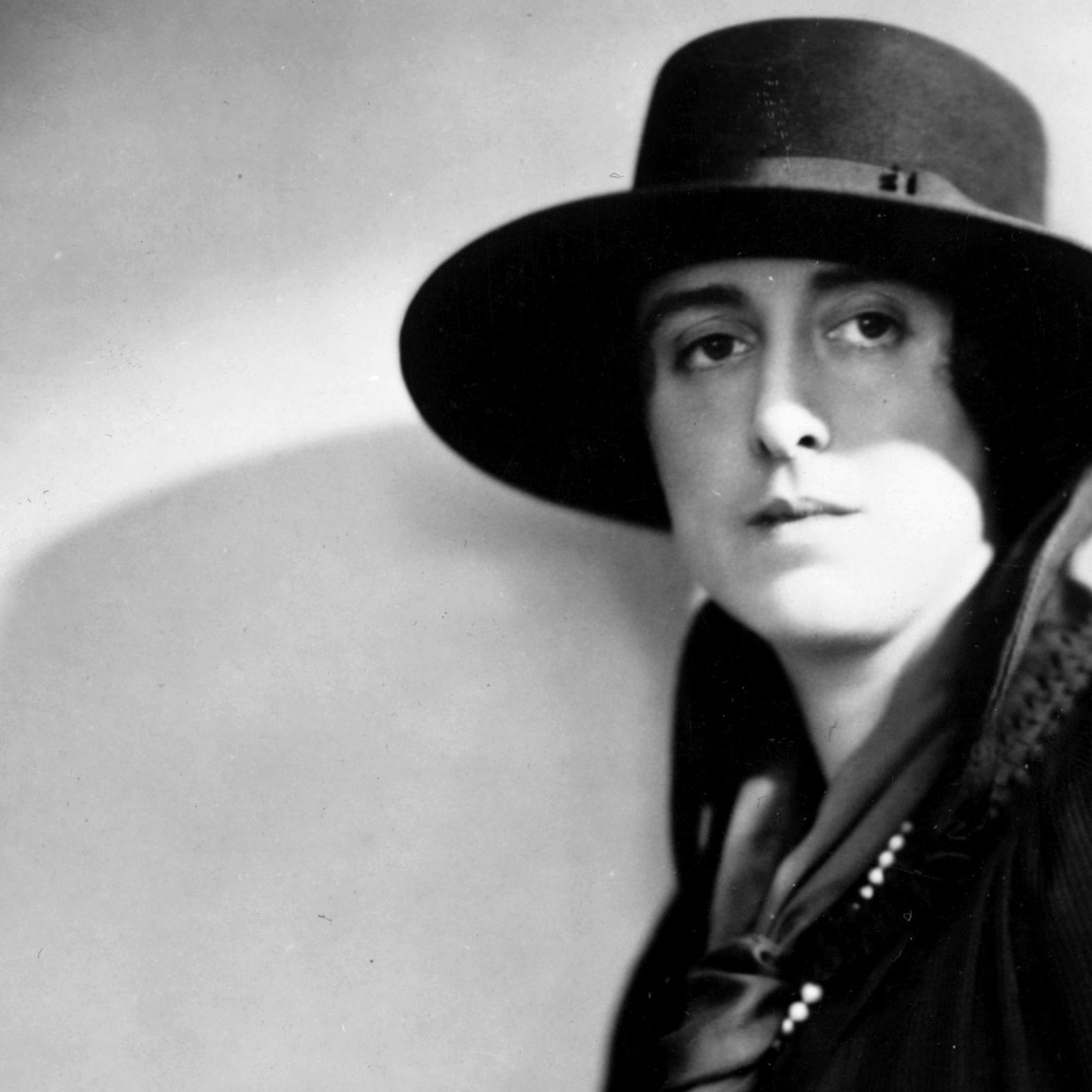
In Mrs Dalloway, the appearance of an old friend plunges Clarissa into buried memories. She relives her young love for another woman, the beautiful Sally Seton, and the one night they shared a kiss. ‘Her Name Was’ references this, and is also inspired by Virginia Woolf’s own bisexuality and her relationship with Vita Sackville-West (below left), another married woman.
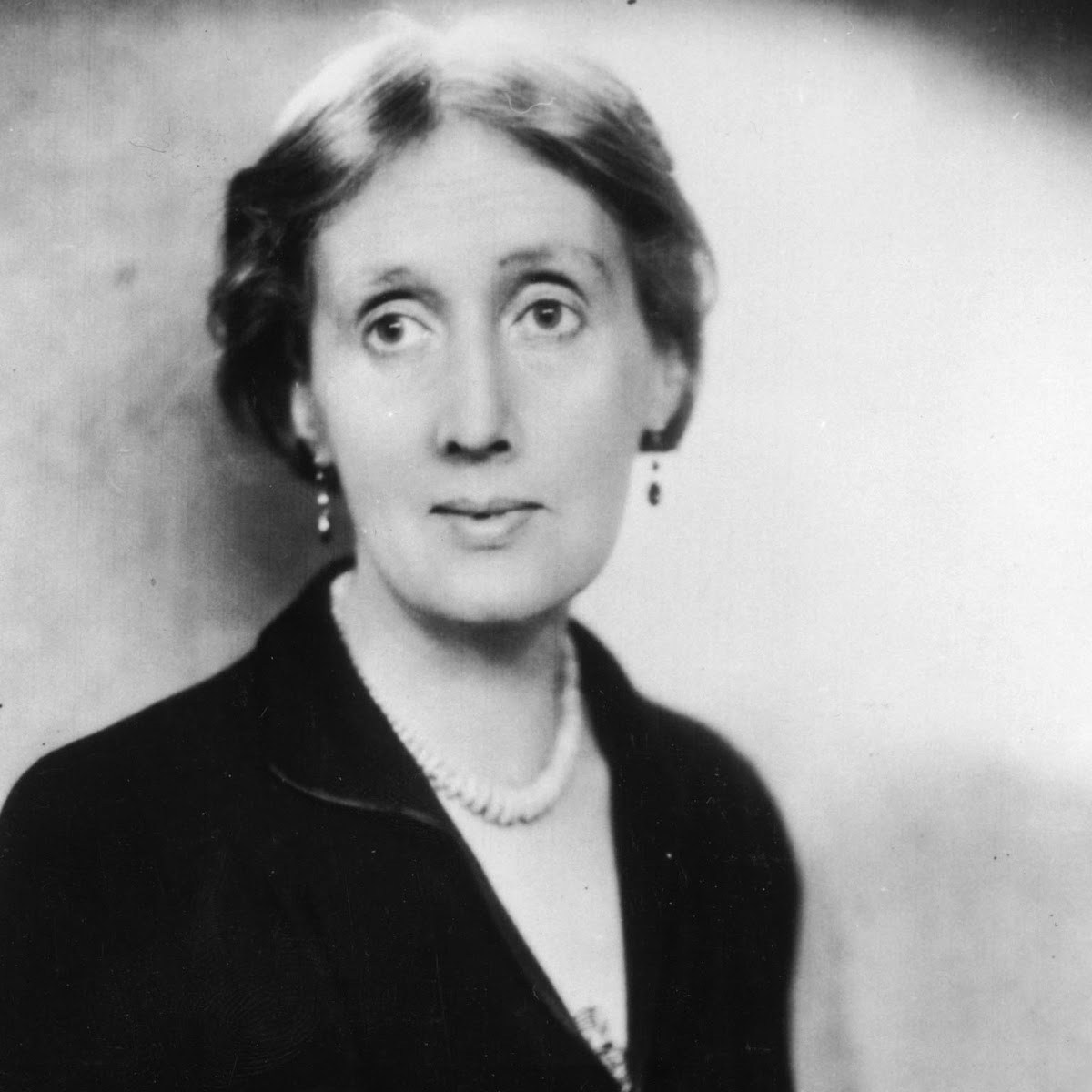
The first time I tried reading Mrs Dalloway, I must admit I struggled. In fact, I put it down and didn’t pick it back up. But after reading it again for another Uni course, and doing a bunch of research around Virginia Woolf’s writing and life for an essay, something odd happened.
I picked it up with distaste but once I made it through the initial shock and disorienting effect of Woolf’s free narrative flow, I found myself moved and transported. I felt Clarissa’s internal questing keenly, and it brought up a surge of emotion around my own bisexuality, something I had only recently begun to fully accept. The poem became a response to my feelings and sexuality and past, and was influenced by the tragic story of Virginia Woolf’s own life, which ended when she walked into a river with pockets full of stones.
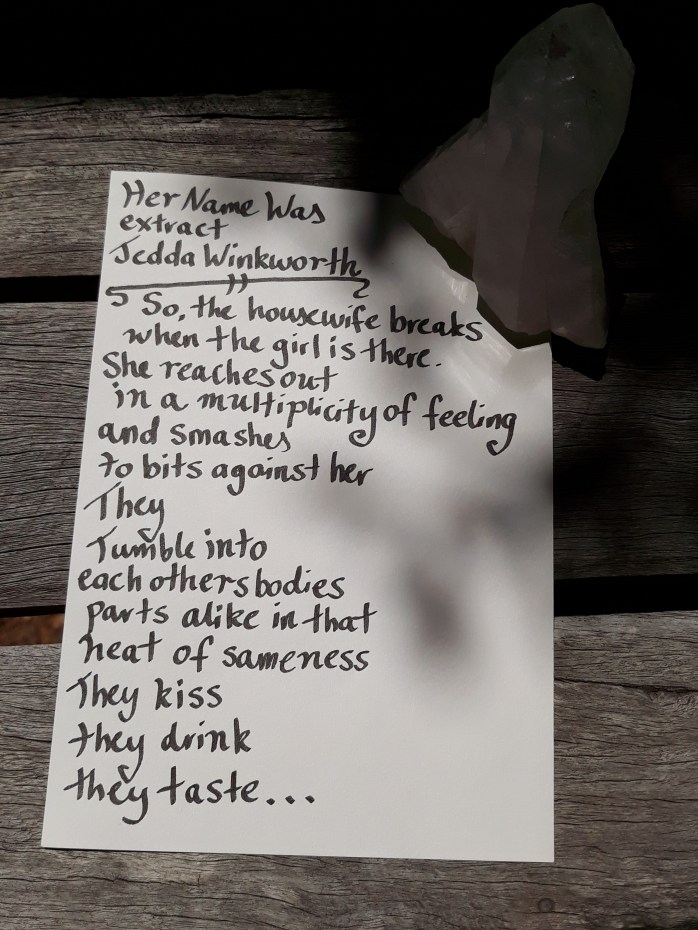
I made it through the audition and was part of the 2017 performance, which was an awesome, nerve-wracking experience. I get such a kick out of performing, just waiting backstage to go on with the other amazing performers was a lot of fun. The poem was chosen for publication in Getamungstit – the Griffith Student Guild magazine, with a selection of other works from the night (see PUBLISHED WORKS page for details and link).
Here’s the recorded performance. This was the first time I filmed a reading – the spotlight’s blaring out my face but the sound is good 🙂

